“The FCC wants to control who is allowed on the show,” ABC ad tells viewers.
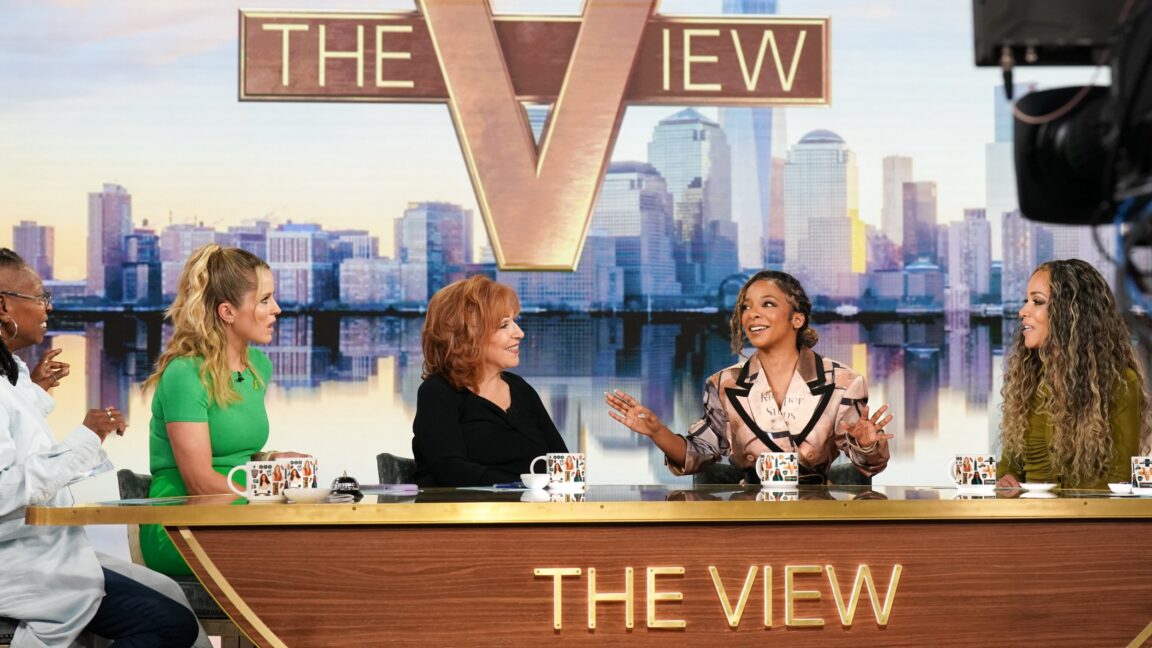
ABC is urging viewers to write to the Federal Communications Commission and tell it to stop trying to “control who is allowed to appear” on The View. An ABC commercial that started airing yesterday asked viewers to submit responses to the FCC’s call for public comment on whether the talk show is a “bona fide news interview program.”
“The View has welcomed your favorite guests and covered the issues you care about for nearly 30 years,” ABC’s ad said. “Now, the FCC wants to control who is allowed on the show. Viewers, use your voice. Tell the FCC to let the viewers decide.”
For decades, the FCC has classified late-night and daytime entertainment talk shows as bona fide news for the purposes of their interview segments. This makes the shows exempt from the equal-time rule, which requires equal opportunities for opposing political candidates on non-news programming.
Shows are not required to ask for exemptions from the equal-time rule, but some have done so in order to avoid any semblance of doubt. Notable exemptions were given by the FCC to Phil Donahue, Sally Jessy Raphael, Jerry Springer, Bill Maher, Jay Leno, and Howard Stern. The View itself won a bona fide news exemption from the FCC in 2002, during President George W. Bush’s first term.
FCC Chairman Brendan Carr, who has repeatedly threatened to punish networks and shows that aren’t beloved by President Trump, departed from the FCC’s longstanding approach by opening a proceeding that could force The View to comply with equal-time requirements. There is a July 6 deadline for comments, which can be filed at this FCC link. The docket with previous comments can be found here.
Carr started taking action against The View after it aired an interview with Texas Democratic Senate candidate James Talarico, and the FCC issued a broad warning to all broadcast TV stations that late-night and daytime talk shows should not be used for “partisan political purposes.” Carr has not opened similar proceedings into the interview segments of talk radio shows, which are predominantly conservative.
Carr also opened an unusual review of ABC owner Disney’s TV station licenses. The eight broadcast TV stations owned by the company protested the review, accusing the FCC of trying to suppress speech as part of “an unprecedented attack on a single company’s entire portfolio of broadcast licenses.”
The station license review is ostensibly based on allegations that Disney’s diversity, equity, and inclusion (DEI) practices violate anti-discrimination rules. But Carr previously threatened the licenses of ABC stations for airing Jimmy Kimmel, and ABC said the FCC is “using the license process renewal to punish a broadcaster for its editorial choices.”
The FCC slammed Disney in a statement provided to news outlets yesterday. “Disney wants the FCC to classify ‘The View’ as a ‘bona fide news program.’ And it has chosen to run a campaign of misinformation to make its case—misleading viewers about the law. That is a choice,” the FCC statement said.
We asked the FCC public relations office to explain which part of ABC’s ad is “misinformation” and will update this article if we get a response.
Carr responded to ABC’s ad in an X post. “Disney wants the FCC to classify The View as a ‘bona fide news program’ under federal law,” Carr wrote. “Doing so would exempt The View from the political equal time requirements that Congress passed decades ago. What do you think? Is The View bona fide news?”
Carr’s post did not mention that The View already received an exemption from the rule 24 years ago.
“Until now, it has never been disputed that The View qualifies as a bona fide news interview program,” ABC said in a May 7 filing. “In 2002, ABC requested and obtained a Declaratory Ruling from the Mass Media Bureau confirming that status. That Declaratory Ruling remains in full force and effect. The Commission has taken no action over the last two decades to modify or overturn the Declaratory Ruling and there is no basis for doing so now.”
Carr’s threats to broadcasters like ABC have drawn bipartisan opposition. US Senators Ted Cruz (R-Texas) and Ron Wyden (D-Ore.) recently proposed a law on “jawboning” to stop federal officials from trying to coerce broadcasters or tech platforms into restricting speech.
Source: Ars Technica