Home/Technology/How new fishing tech can reduce bycatch of turtles and other creatures

How new fishing tech can reduce bycatch of turtles and other creatures

TechnologyMarch 30, 20261 min readAttributed summary
How new fishing tech can reduce bycatch of turtles and other creatures
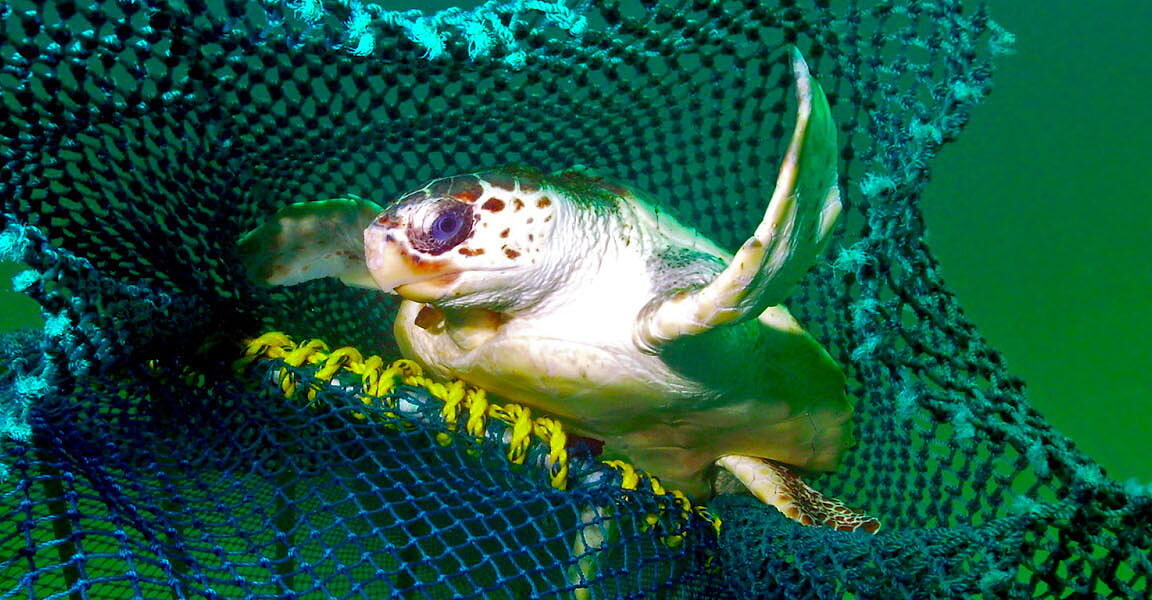
Specially equipped nets can help save some species, while allowing fisherman to still catch others.
Reading Settings

Our oceans are full of sophisticated, perfect traps: Nets, hooks, fishing lines. Designed to capture animals destined for our dinner tables, they often catch other wildlife too.

This accidental harvest is known as bycatch, and every year it causes the death of millions of marine animals, including whales, dolphins, sharks, turtles, and seabirds. Nets and gear can asphyxiate animals or cause fatal injuries; even when the animals are tossed back to sea, they frequently die. Bycatch is also a dilemma for fishermen—entangled creatures can destroy equipment, costing time, money, and fisheries’ reputations.

Over the decades, conservationists, researchers, and fishermen have developed ways to minimize various kinds of bycatch in different fishing stocks around the world. But putting these solutions to work is often a challenge, and many mitigation strategies are never widely implemented.

Read full article

Comments

Source: Ars Technica
Related technology stories

Valvoline Coupons and Promo Codes for September 2026
Sourced report
Source9 hours ago

Valvoline Coupons and Promo Codes for September 2026

We've gathered all the top Valvoline coupons and promo codes for September 2026, including deals on full synthetic oil changes and other essential maintenance.

4 min briefingRead signal →
Batteries just broke another record in the US
Sourced report
technologyreview.com9 hours ago

Batteries just broke another record in the US

Battery installations hit a new record in the US in the second quarter of 2026. In total, 20.2 gigawatt-hours of new capacity came online, according to a new report. That’s enough to supply the daily

4 min briefingRead signal →