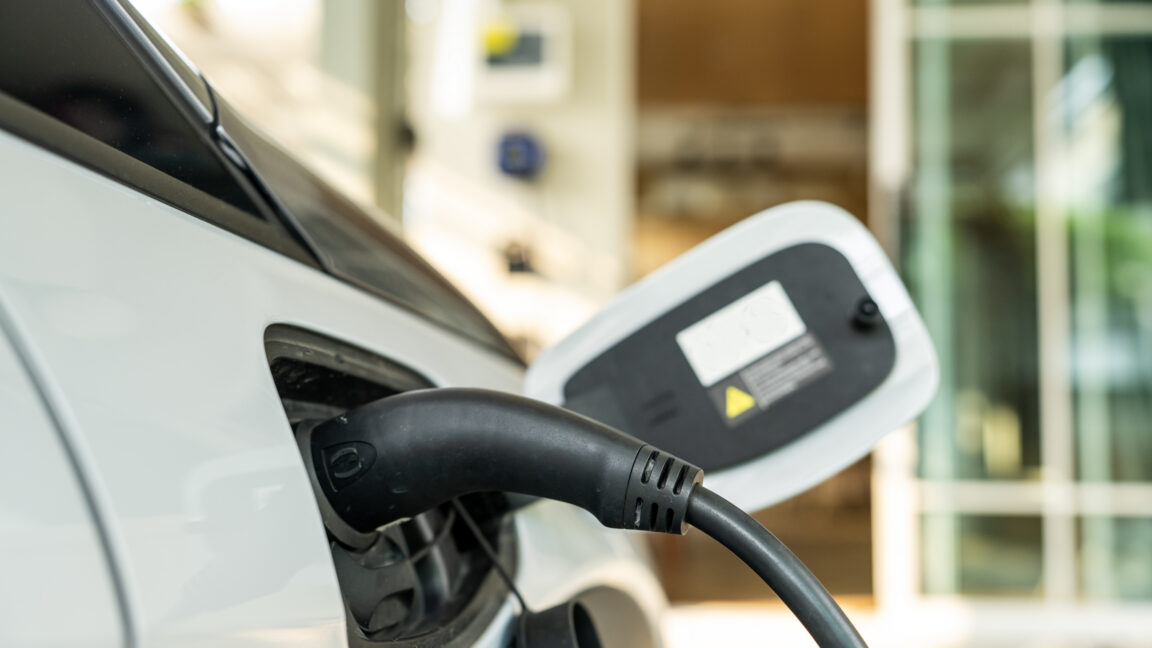
HomeTechnologyDoubling the voltage: What 800 V architecture really changes in EVs

Doubling the voltage: What 800 V architecture really changes in EVs

TechnologyMarch 16, 2026
1 min read
Doubling the voltage: What 800 V architecture really changes in EVs
Confused about electric vehicle voltages? You won't be after reading this.

For more than a decade, most electric vehicles have shared the same electrical backbone: a battery pack operating at roughly 400 V. It’s the invisible standard behind everything from early compliance cars to today’s bestselling EVs. But over the past few years, a growing number of automakers have doubled that number, moving to 800 V architectures and promising dramatically faster charging, better performance, and improved efficiency.

Cars like the Porsche Taycan and Hyundai Ioniq 5 helped push 800 V into the mainstream conversation, touting 18-minute charging sessions and sustained high-speed performance. On paper, doubling the voltage sounds like a simple upgrade. In reality, it reshapes everything from cable thickness and thermal management to semiconductor choice and charging infrastructure compatibility.

The physics: Why higher voltage matters

Understanding why higher voltage matters is as important as the hardware that carries it.

Read full article

Comments

Source: Ars Technica

Share this article

Related Articles

Vivo’s X300 Ultra has the best cameras in any phone
2026May 10

Vivo’s X300 Ultra has the best cameras in any phone

A few months ago, I wrote that the telephoto camera is the only lens that matters any more, at least when it comes to Ultra-class flagships. As phones got better, cameras became where manufacturers tr

Article1 min read
Read More
Ashnymph’s Childhood EP is exhilarating dance goth rock
2026May 10

Ashnymph’s Childhood EP is exhilarating dance goth rock

I've got to thank my oldest friend and concert buddy, Tim, for turning me on to this one. Ashnymph is a London band that blends post-punk melodies with Krautrock rhythms and industrial grime. Their de

Article1 min read
Read More