HomeTechnologyULA isn't making the Space Force's GPS interference problem any easier

ULA isn't making the Space Force's GPS interference problem any easier

TechnologyFebruary 26, 2026
1 min read
ULA isn't making the Space Force's GPS interference problem any easier
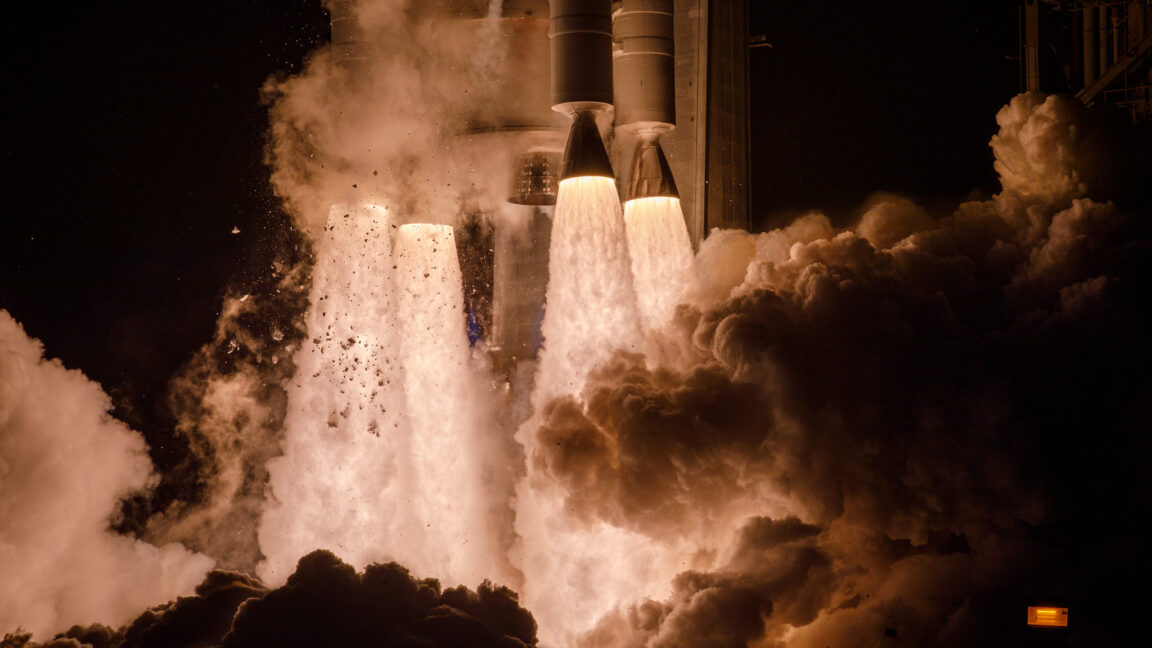
Officials expect the investigation into a booster anomaly on ULA's Vulcan rocket to last multiple months.
Reading Settings

DENVER—The Global Positioning System is one of the few space programs that touches nearly every human life, and the stewards of the satellite navigation network are eager to populate the fleet with the latest and greatest spacecraft.

The US Space Force owns and operates the GPS constellation, providing civilian and military-grade positioning, navigation, and timing signals to cell phones, airliners, naval ships, precision munitions, and a whole lot more.

One reason for routinely launching GPS satellites is simply "constellation replenishment," said Col. Andrew Menschner, deputy commander of the Space Force's Space Systems Command. Old satellites degrade and die, and new ones need to go up and replace them. At least 24 GPS satellites are needed for global coverage, and having additional satellites in the fleet can improve navigation precision. Today, there are 31 GPS satellites in operational service, flying more than 12,000 miles (20,000 kilometers) above the Earth.

Read full article

Comments

Source: Ars Technica

Share this article

Related Articles

The $400 million machine powering the future of chipmaking
Jun 2333 minutes ago

The $400 million machine powering the future of chipmaking

Jos Benschop is climbing a ladder to get to the top of his newest machine.  It’s a bit of a schlep. The contraption is the size of a double-decker bus—more than 150 tons of gleaming precision-mil

technologyreview.com27 min read
Read More
Elephant alert! AI warning systems aim to avoid deadly clashes
Jun 2333 minutes ago

Elephant alert! AI warning systems aim to avoid deadly clashes

India is home to about 60% of the world’s wild Asian elephants, and around 80% of the animals’ habitat lies outside protected areas, according to the Ministry of Environment, Forest, and Climate Chang

technologyreview.com2 min read
Read More