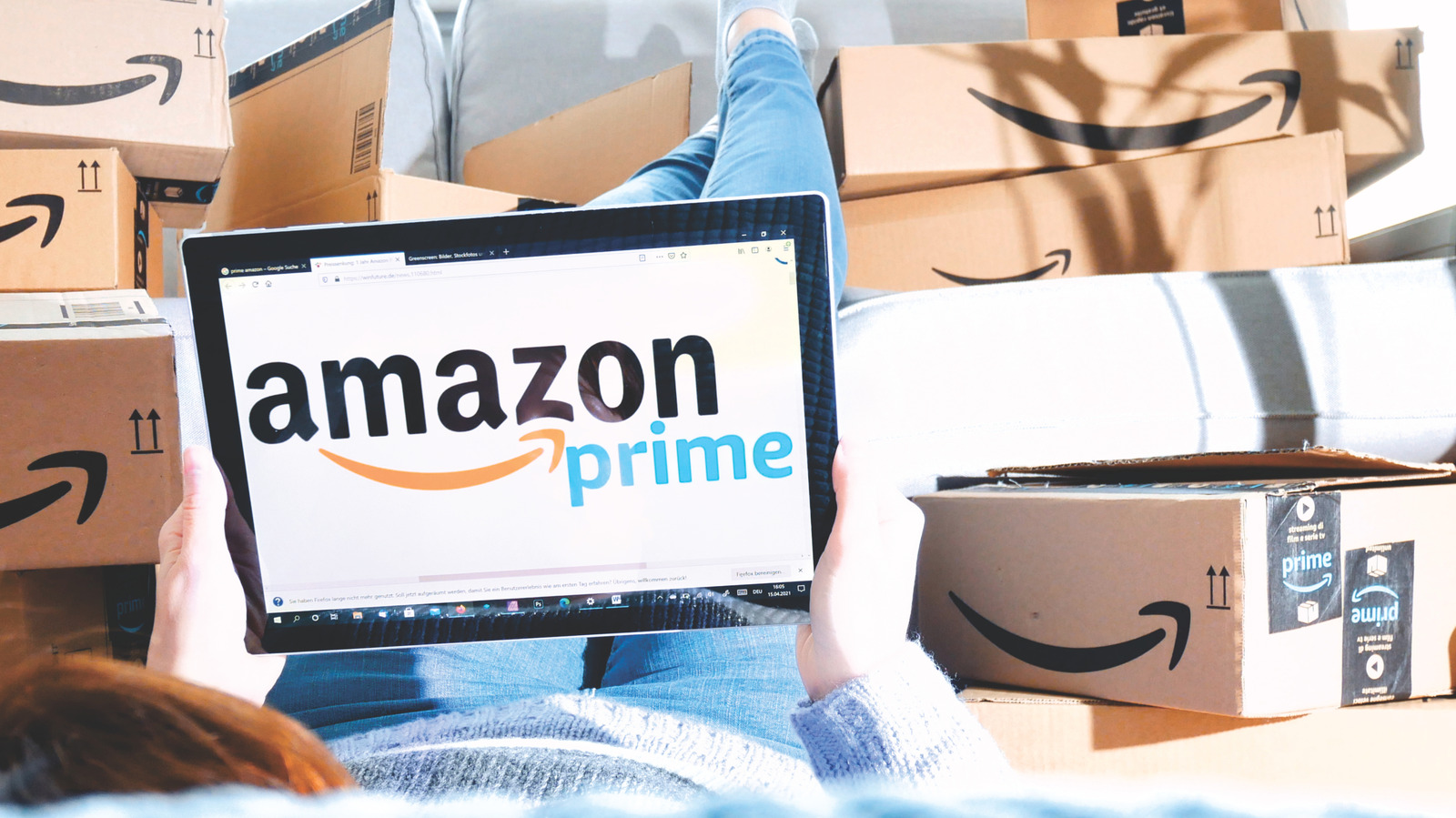
Amazon's free trials are only the beginning.
We may receive a commission on purchases made from links.
It's easy to justify the price of Amazon Prime when you take advantage of Prime Day deals or have a gift delivered tomorrow, just in time. But when you've paid another $14.99 and only bought a USB cable this month, the numbers are not as attractive.
If Prime's sticker price is a no-go for you, you might be able to get away with paying less. You may qualify for six months of Amazon Prime at no cost. There are also discounted Prime plans that cost half as much as a regular monthly membership, or even less. You could also have the option to get Prime through someone in your household, your employer or a benefit bundled with another service.
If you qualify, Amazon's standard 30-day free trial is the simplest way to get Prime at no cost. With this trial period, you'll receive Prime benefits like fast shipping, exclusive discounts on some products, improved Alexa and access to Prime Video, all without having to pay any initial subscription fee. This can be especially useful if you're joining prior to Prime Day or in preparation for the holiday shopping season where a single month of service is enough.
Amazon requires a payment method and automatically converts the trial into a paid subscription unless you cancel your Amazon Prime membership before renewal. Amazon also doesn't specify a waiting period before former subscribers qualify for another free trial. Therefore, you shouldn't count on receiving free Prime each year during the shopping season.
Other plans provide different ways to save. Prime for Young Adults gives eligible new members six months of free service. Afterward, they can choose to pay $7.49 monthly or $69 annually. Eligibility covers adults ages 18 to 24, as well as higher-education students of any age. To qualify, you must provide proof of your age or school enrollment.
Prime Access costs $6.99 per month after a 30-day free trial for eligible new members receiving qualifying government assistance or meeting Amazon's income requirements. It includes all the same perks as the standard Prime membership, and is open to SNAP or Medicaid recipients. Double-check your eligibility, since current Prime members may be able to transition to the discounted membership.
If someone in your household already pays for Prime, chances are you don't need a second membership. Amazon Family lets a paying subscriber share select Prime benefits (including fast shipping, exclusive shopping deals and ad-supported Prime Video) with another adult living at the same primary address. Each adult keeps a separate Amazon account, so there's no need to borrow login credentials to place an order.
There's a privacy tradeoff, though: Amazon requires the family organizer to share a payment method that the other adult can use for purchases. Before sending an invitation, review your payment, digital content and order history sharing settings.
Also, the program limits who can participate. In October 2025, Amazon ended its Prime Invitee program, which previously allowed members to share free shipping with people outside their household. Friends at another address can no longer receive your free shipping benefit through that program. Note that free trial and Prime for Young Adults members cannot share their Prime benefits through Amazon Family.
Free Prime memberships are available to eligible US employees at Amazon, while Whole Foods announced that its hourly workers will receive the same benefit beginning January 1, 2027. If you work for either company, checking your benefits could save you from paying for Prime twice.
Metro by T-Mobile began bundling Prime with select plans in 2018, but stopped offering the perk to new customers on September 17, 2026. Eligible legacy customers can still keep it, so before you switch carriers or make adjustments to your plan, check what your existing setup includes. You could potentially lose out on a free membership if you change.
Existing Navy Federal Visa Signature Flagship Rewards cardholders receive a $139 statement credit toward an annual Amazon Prime membership paid with the card, but that's no longer open to new applicants. It's been replaced by the newer Flagship Premier card, which offers a $100 airline credit instead.
If you have the Flagship Rewards card, be aware that the annual fee increased from $49 to $95 on November 2, 2026. After that, the net annual savings from the Prime credit will be $44 if you count no other card benefits. According to Navy Federal, it may take six to eight weeks for the statement credit to appear on your account.
There are other offbeat methods to getting a lower-cost Prime subscription. Programs like Microsoft Rewards give you points that you can redeem toward gift cards, including Amazon gift cards to put towards Prime. If you're a frequent Amazon shopper, the Amazon Prime Visa grants five percent back on all Amazon purchases with Prime, which can help cover the cost of a subscription. And low-income customers who qualify for Spectrum's Internet Assist plan can get Amazon Prime for no extra cost.
Source: Engadget