Home/Technology/Patient-zero drill put health facilities to the test—40% of them failed

Patient-zero drill put health facilities to the test—40% of them failed

TechnologyOctober 2, 20261 min readAttributed summary
Patient-zero drill put health facilities to the test—40% of them failed
Actors with makeup and fake symptoms staggered into 73 healthcare facilities.
Reading Settings

COVID-19 made the weaknesses in our pandemic preparedness at national and global levels painfully clear. But a new study highlights that even at the first, local steps of an outbreak with pandemic-potential, we are worryingly underprepared.

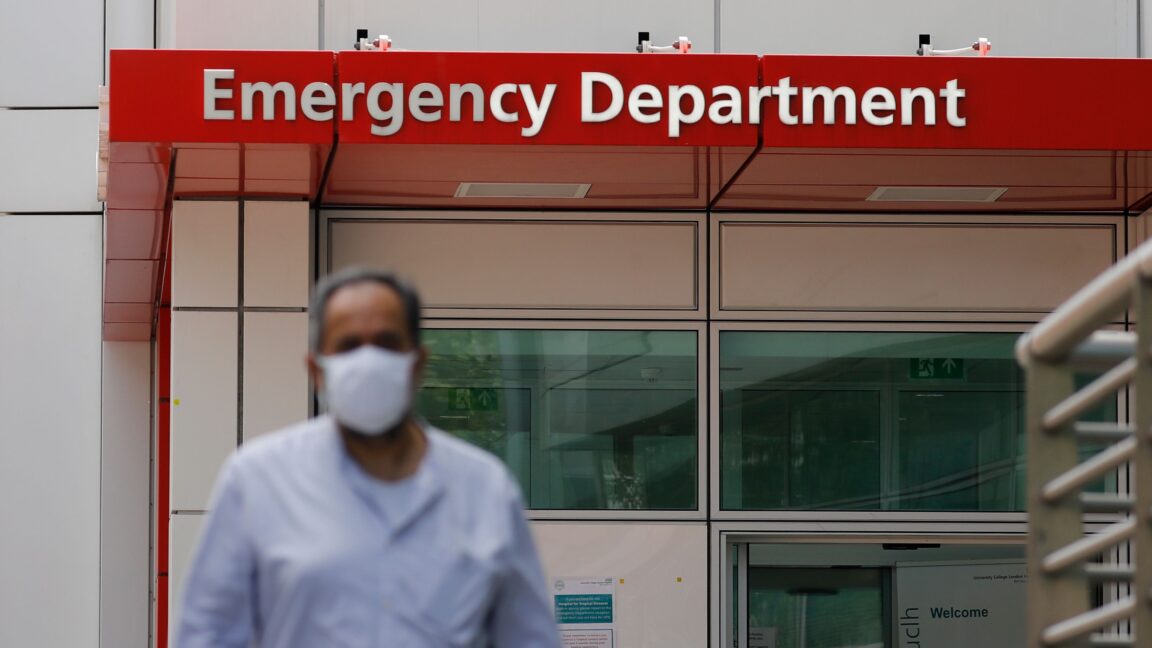
Health officials in New York set up a regional test of healthcare facilities to identify and respond to a patient with a mystery infection that could pose a pandemic-level threat. But things didn't go well. Overall, responses were slow, appropriate use of personal protective equipment was spotty, and only 60 percent of facilities passed the basics of the test—an overall failing grade.

"These drills identified needs for health care workers and health care facility staff member training to achieve earlier identification, masking, and isolation of potentially infectious febrile patients," the officials wrote in the study, which was published in the Morbidity and Mortality Weekly Report.

Read full article

Comments

Source: Ars Technica

Related technology stories

AI breakthroughs in robotics won’t change your life any time soon
Sourced report
technologyreview.com6 hours ago

AI breakthroughs in robotics won’t change your life any time soon

The story is a collaboration between MIT Technology Review and Aventine, a non-profit research foundation that creates and supports content about how technology and science are changing the way we liv

19 min briefingRead signal →
Roundtables: A Conversation With the Creator of AI-Designed Viruses
Sourced report
technologyreview.com6 hours ago

Roundtables: A Conversation With the Creator of AI-Designed Viruses

Friday, October 16, 2026 Can AI design new life forms? In 2025, Stanford University PhD student Samuel King came up with a preliminary answer when he used a generative AI model to propose genetic blue

2 min briefingRead signal →