Home/Technology/Russian drones found near vital European offshore gas site, get blown up

Russian drones found near vital European offshore gas site, get blown up

TechnologyAugust 12, 20261 min readAttributed summary
Russian drones found near vital European offshore gas site, get blown up
This follows many drone incursions into Romania and a failed attack in Germany.
Reading Settings

Romanian army divers used explosives to destroy two Russian-made drones found floating in the Black Sea near Romania’s largest natural gas project, according to the NATO member country’s defense minister.

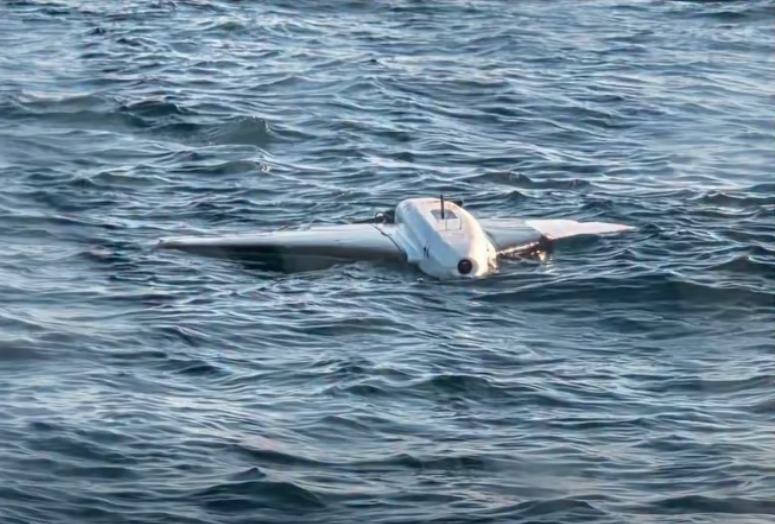
Defense Minister Radu Miruță posted a Facebook video supposedly showing one of the drones being blown up in the water by explosive ordnance disposal divers of the Romanian army on August 11, as reported by Reuters and other news outlets. The drones were first spotted in the water by a ship working in the vicinity of the Neptun Deep—an offshore gas project under development in the Black Sea that will make Romania the largest gas producer in the European Union.

A Romanian Coast Guard ship that responded with army soldiers aboard found two drifting Gerbera-type drones of Russian design along with other debris. Miruță also disclosed that Romania had reached out to “Ukrainian partners who confirmed that the systems do not belong to them.”

Read full article

Comments

Source: Ars Technica

Related technology stories

Raising the quality of insights in agentic analytics
Sourced report
technologyreview.com3 hours ago

Raising the quality of insights in agentic analytics

In just a few years, generative AI has changed the face of enterprise analytics, notably by making analytics accessible to users across the organization. Agentic AI promises to do even more, by automa

4 min briefingRead signal →
The agentic web is here
Sourced report
technologyreview.com3 hours ago

The agentic web is here

In 2001, a decade after he invented the World Wide Web, Tim Berners-Lee articulated a new vision. Together with two colleagues, he published an article in the magazine Scientific American in which he

20 min briefingRead signal →