A crackdown on undocumented migration and sometimes violent anti-immigration protests have resulted in more than 178,000 immigrants leaving South Africa in recent months
HARARE, Zimbabwe -- More than 178,000 African immigrants have left South Africa in recent months, spurred by a crackdown on undocumented migration by authorities and sometimes violent anti-immigration protests that have led many to leave citing fears of attacks.
It's one of the most significant migrant exoduses from Africa's most advanced economy in years.
The count is from authorities in the home countries the migrants have returned to. More than 115,000 people returned to neighboring Zimbabwe alone since late May and more than 56,000 returned to Malawi, according to those governments. Nigeria, Ghana, Mozambique and Lesotho have said they've each had more than 1,000 citizens returning from South Africa.
The returns are a combination of people deported by South Africa and others taking up repatriation offers by South Africa or their home countries — which make up the vast majority. South Africa said this week that some 19,000 people had been officially deported since April.
Advocacy groups have raised a series of concerns over the sudden movements of people, including for the thousands of children who have been pulled out of schools and for HIV patients cut off from life-saving treatment.
The mass movements underline the complications of internal migration within Africa, even as international attention is rather focused on issues around migration from Africa to Europe — like the crisis sparked this month by more than 70,000 people scrambling across the border from Morocco into the Spanish territory of Ceuta.
In South Africa, groups have held a series of protests against illegal migration this year, culminating in nationwide demonstrations on June 30, which the groups said was a “deadline” for migrants in the country illegally to leave.
The groups have claimed migrants without documents are contributing to South Africa's high unemployment rate by taking jobs, while also putting pressure on public services. For decades, South Africa as the region's richest country has drawn millions of migrants from other African nations to work on farms, in restaurants, in construction and other low-paid sectors.
South Africa's latest census data from 2022 said there were 2.4 million foreign nationals in a total population of 62 million, though the criticism from protest groups is that many more migrants are in the country without documentation.
The protests against illegal migration in South Africa have been accompanied by door-to-door campaigns by mobs where rights groups say migrants have been threatened and attacked, and their houses or businesses burned, including some who were in the country legally.
Mozambique's government said 11 Mozambicans have been killed in attacks in South Africa, while Nigeria and Ghana also claimed some of their citizens were killed. South Africa has disputed the numbers, saying some of those deaths were connected to crimes like robberies and not migration protests. Some killings are under investigation by police.
But it has led to unusual diplomatic tensions between South Africa and other African nations who are accusing it of being xenophobic.
Ghana pushed for the issue of what it alleged was South Africa's anti-migrant and xenophobic problems to be on the agenda of an African Union meeting in October. South Africa blocked the move but called for wider talks on migration in Africa.
UNICEF and the U.N.'s Committee on the Rights of the Child said in a joint statement they were deeply concerned over the fate of children caught up in the returns. They face heightened risks of violence, exploitation, family separation and psychological distress, "particularly when movements are sudden, undocumented and uncoordinated,” the agencies said.
While some governments haven't released full figures, Malawi said nearly 4,000 children under the age of 5 were among those who returned from South Africa. The Zimbabwe Exemption Permit Coordinating Committee, a non-governmental organization, estimated more than 11,000 children had returned to that country by mid-July. The government has instructed schools not to discriminate and to try to find places for returning children.
Health officials and aid groups say many migrants fled South Africa without medication or medical records, raising fears of interrupted HIV treatment in a region with some of the world’s highest infection rates.
Doctors Without Borders, or MSF, established clinic tents at Zimbabwe’s Beitbridge border post to treat people “who are traumatized” after losing access to lifesaving HIV and other chronic medication.
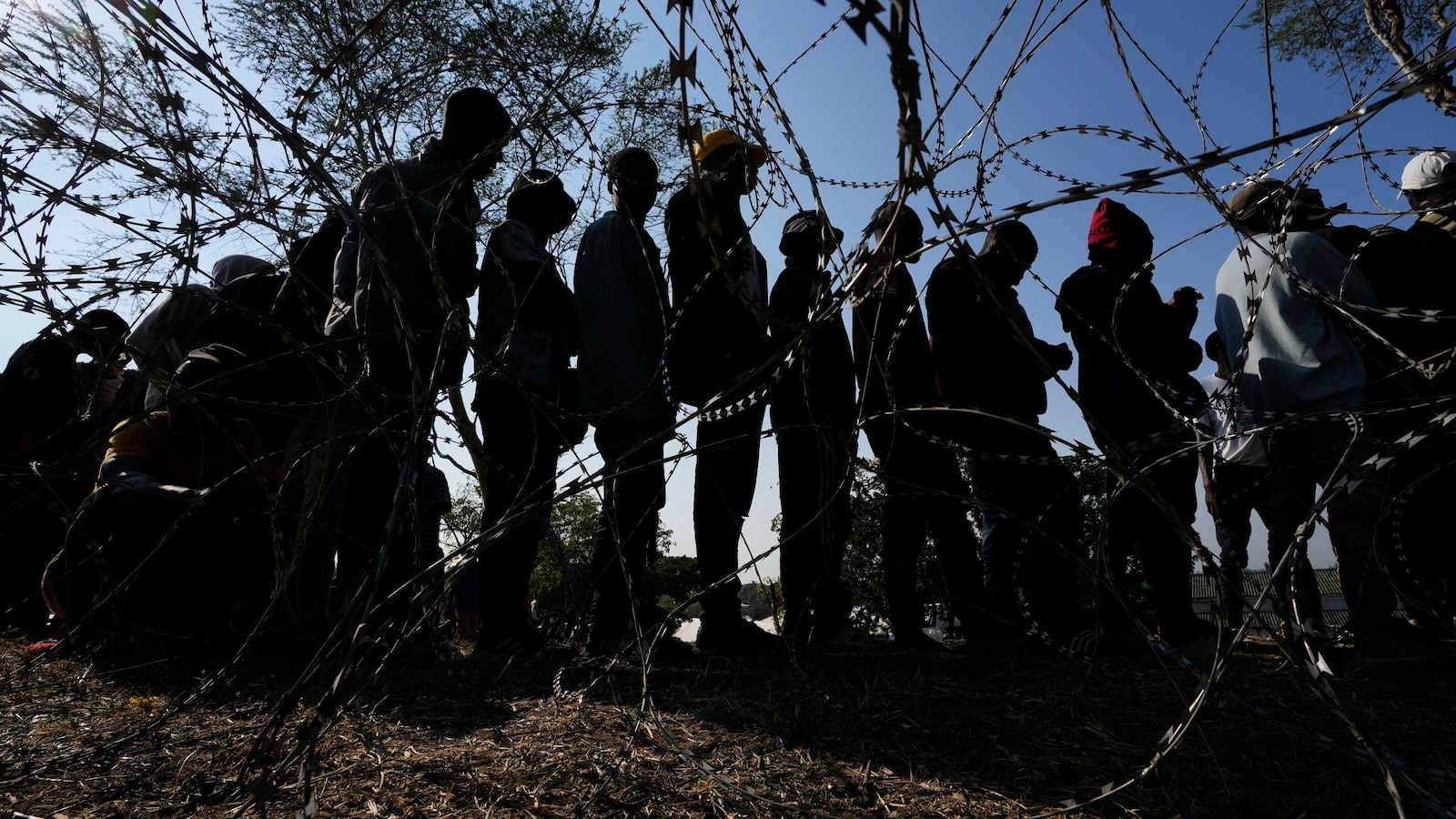
South African authorities said Friday that some 3,000 people are still awaiting deportation at a migrant detention centre near Johannesburg, while around 6,300 inspectors have been deployed nationally to check if workplaces are illegally employing migrants who don't have documents.
South African President Cyril Ramaphosa has condemned any acts of violence against migrants but also conceded to government failures around enforcing immigration laws. He has promised more technology and personnel to secure borders, new immigration courts to deal with deportations quickly, and stricter penalties for those employing migrants without documents.
Imray reported from Cape Town, South Africa. AP writers across Africa contributed to this report.
AP Africa news: https://apnews.com/hub/africa
24/7 coverage of breaking news and live events
Source: ABC News - International