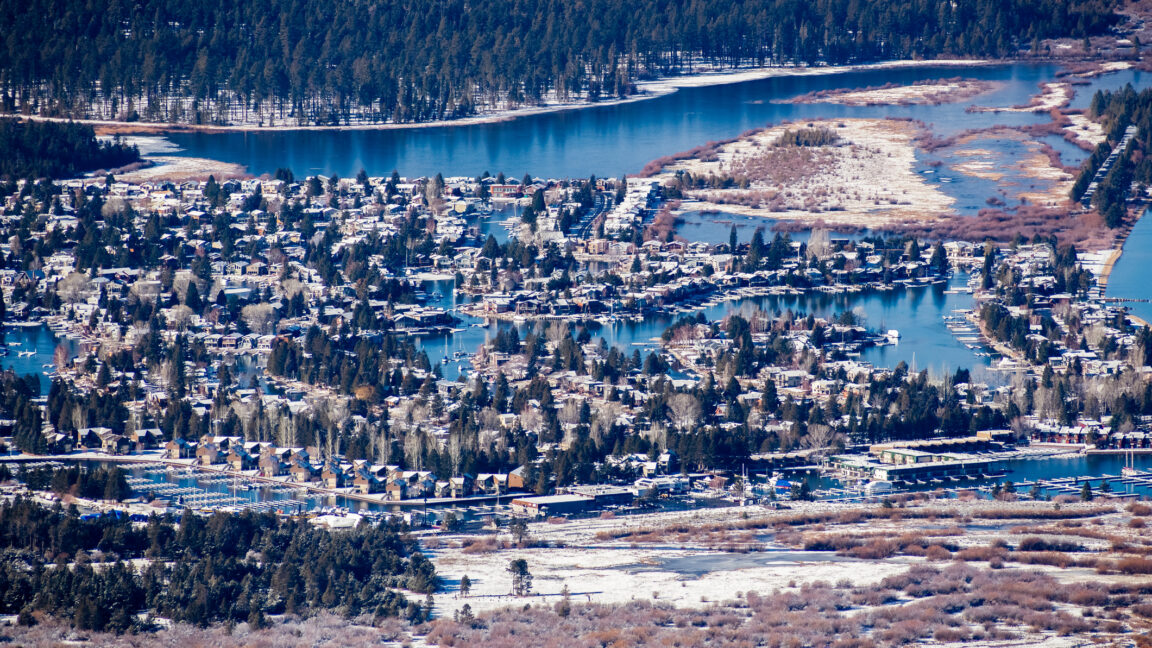
The tourist and ski resort town of Lake Tahoe must scramble to find a new energy supplier by May 2027—the result of a Nevada utility company saying it needs the power capacity in part for new data centers. The resulting energy crisis impacts 49,000 California residents who live near Lake Tahoe, nestled in the Sierra Nevada mountains on the border between California and Nevada.
Lake Tahoe’s local electricity provider, California-based Liberty Utilities, has been obtaining 75 percent of its power from the Nevada-based company NV Energy. But the latter has said it will stop providing power to the Lake Tahoe region by May 2027, according to extensive reporting by Fortune.
Nevada's fast-growing data center development is one of the main reasons given by NV Energy for ending its energy supply agreement with Liberty, according to a Liberty filing with California regulators. Fortune highlighted data from NV Energy’s own planning documents showing that a dozen data center projects in northern Nevada could drive 5,900 megawatts of new demand by 2033.
Read full article
Comments
Source: Ars Technica