Home/Technology/The Moon is already on Google Maps—did Artemis II really tell us anything new?

The Moon is already on Google Maps—did Artemis II really tell us anything new?

TechnologyApril 9, 20261 min readAttributed summary
The Moon is already on Google Maps—did Artemis II really tell us anything new?
"I think the biggest value here is the PR. I mean, it's getting the public excited."
Reading Settings

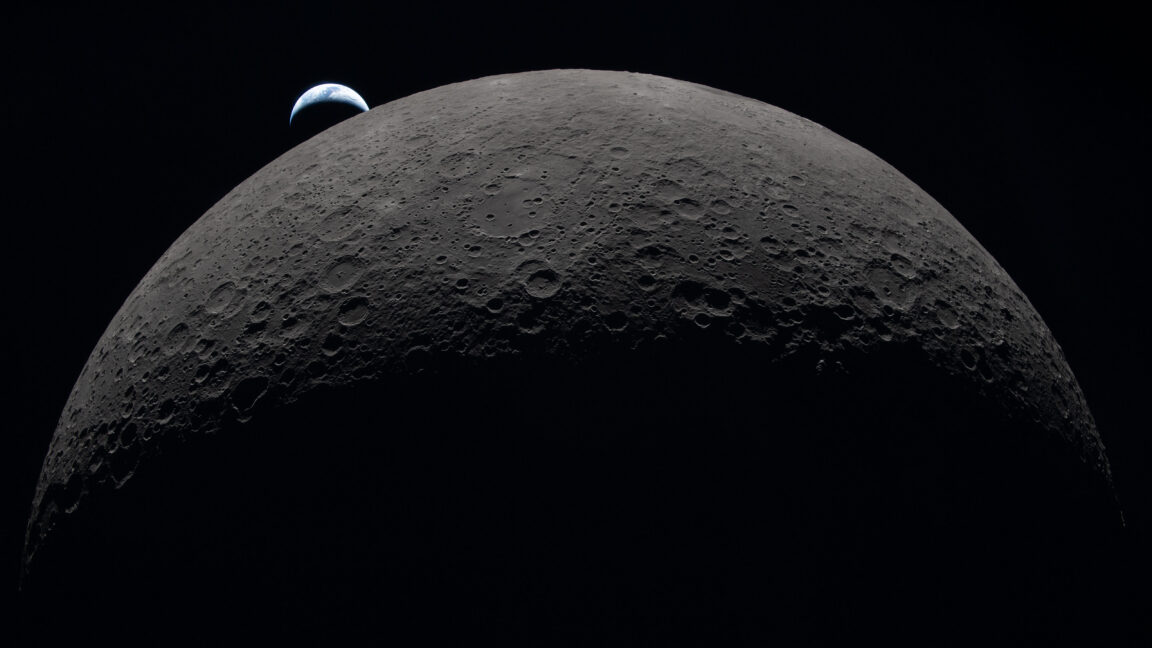
The data pipeline from NASA's Artemis II mission opened to full blast a few hours after looping behind the far side of the Moon on Monday night, when the Orion spacecraft established a laser communications link with a receiving station back on Earth.

A cache of high-resolution images began streaming down through this connection. NASA released the first batch to the public Tuesday. Most of the images were taken by the four Artemis II astronauts using handheld Nikon cameras fitted with wide-angle and telephoto lenses. They also had iPhones to capture views out the windows of their Orion Moon ship, named Integrity.

After reaching their farthest point from Earth, astronauts Reid Wiseman, Victor Glover, Christina Koch, and Jeremy Hansen are accelerating back to Earth for reentry and splashdown Friday evening to wrap up the first crewed lunar mission in more than 53 years.

Read full article

Comments

Source: Ars Technica
Related technology stories

What are the benefits of having a second monitor?
Sourced report
engadget.com3 hours ago

What are the benefits of having a second monitor?

Adding a second monitor is a huge upgrade, even if you aren't doing intensive work like editing video or accounting. More screen space is always helpful.

1 min briefingRead signal →
People really hate AI, so why can’t they get enough?
Sourced report
technologyreview.com3 hours ago

People really hate AI, so why can’t they get enough?

Over the summer I talked to the CEO of Springboards, a startup building an LLM that’s designed to come up with a wider variety of responses than its mainstream rivals do. At the start of the call, he

6 min briefingRead signal →