Home/Technology/Polygraphs have major flaws. Are there better options?

Polygraphs have major flaws. Are there better options?

TechnologyMarch 30, 20261 min readAttributed summary
Polygraphs have major flaws. Are there better options?
Research proceeds on alternatives, but some doubt whether true lie detection is possible.
Reading Settings

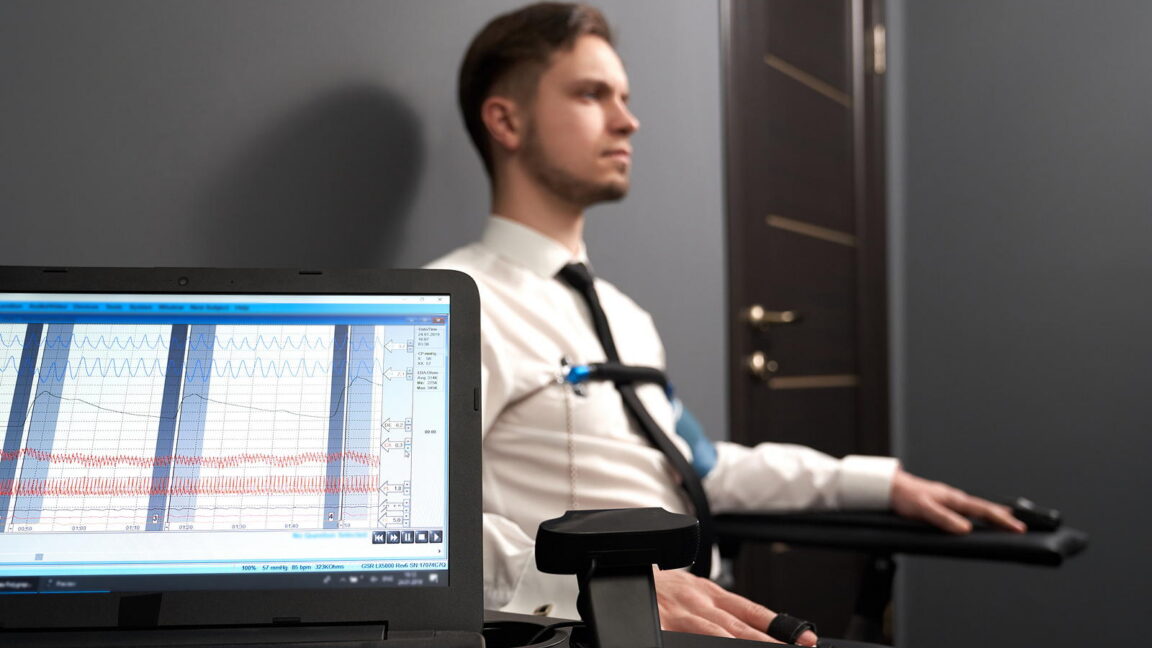
When George W. Maschke applied to work for the FBI in 1994, he had already held a security clearance for over 11 years. The government had deemed him trustworthy through his career in the Army. But soon, a machine and a man would not come to the same conclusion.

His application to be a special agent had passed initial muster. And so, in the spring of 1995, according to his account, he found himself sitting across from an FBI polygraph examiner, answering questions about his life and loyalties.

He told the truth, he said in an interview with Undark. But in a blog post on his website, he recalled the examiner told him that the polygraph machine—which measured some of Maschke’s physiological responses—indicated that he was being deceptive about keeping classified information secret, and about his contacts with foreign intelligence agencies.

Read full article

Comments

Source: Ars Technica
Related technology stories

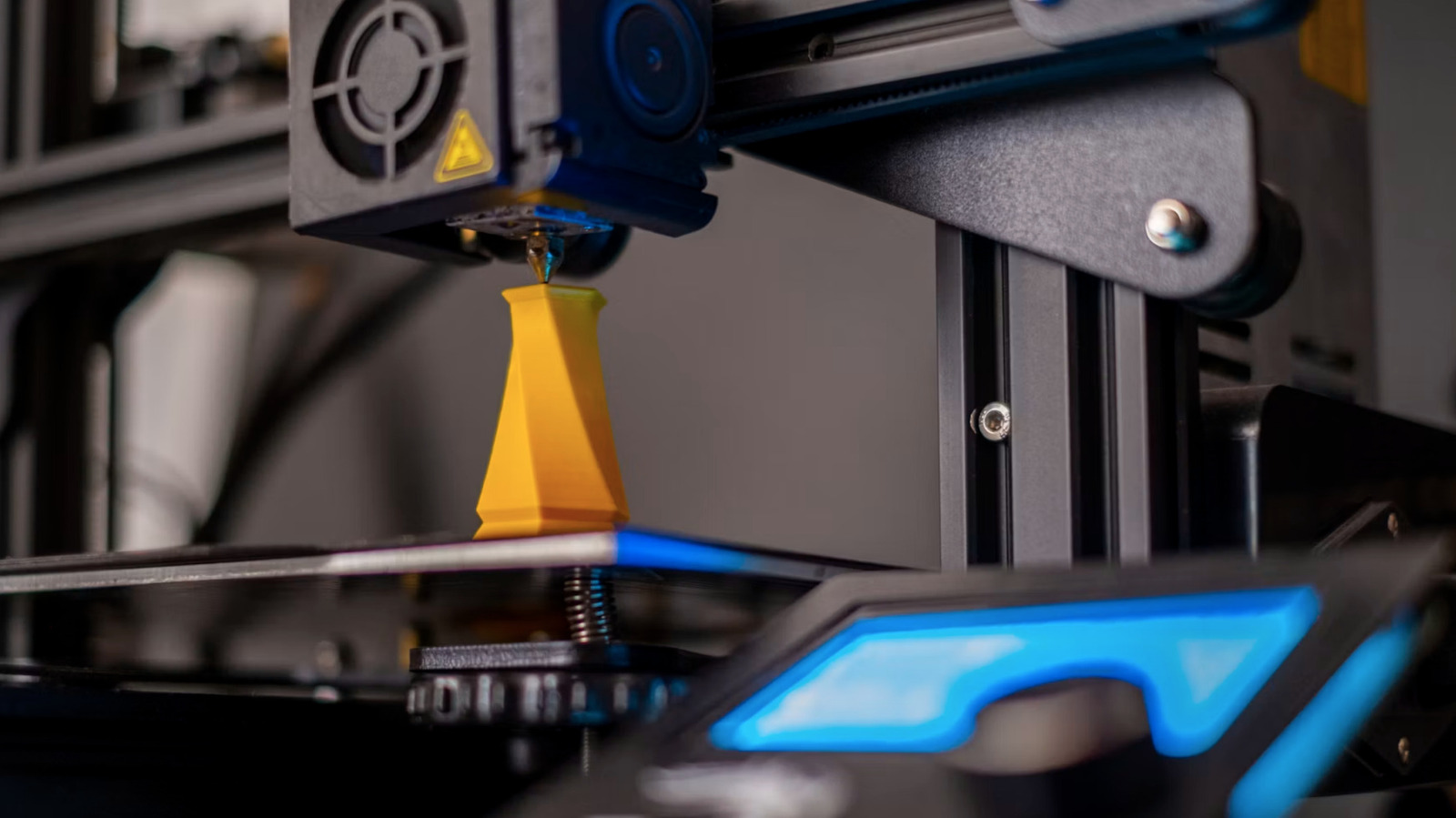
Are 3D printers worth buying in 2026?
Sourced report
engadget.com4 hours ago

Are 3D printers worth buying in 2026?

3D printers have become more advanced and user-friendly than they were ten years ago, but they may not be ready for the masses.

1 min briefingRead signal →
Who’s liable when AI agents go rogue?
Sourced report
technologyreview.com4 hours ago

Who’s liable when AI agents go rogue?

MIT Technology Review Explains: Let our writers untangle the complex, messy world of technology to help you understand what’s coming next. You can read more from the series here. Over the past few mon

12 min briefingRead signal →