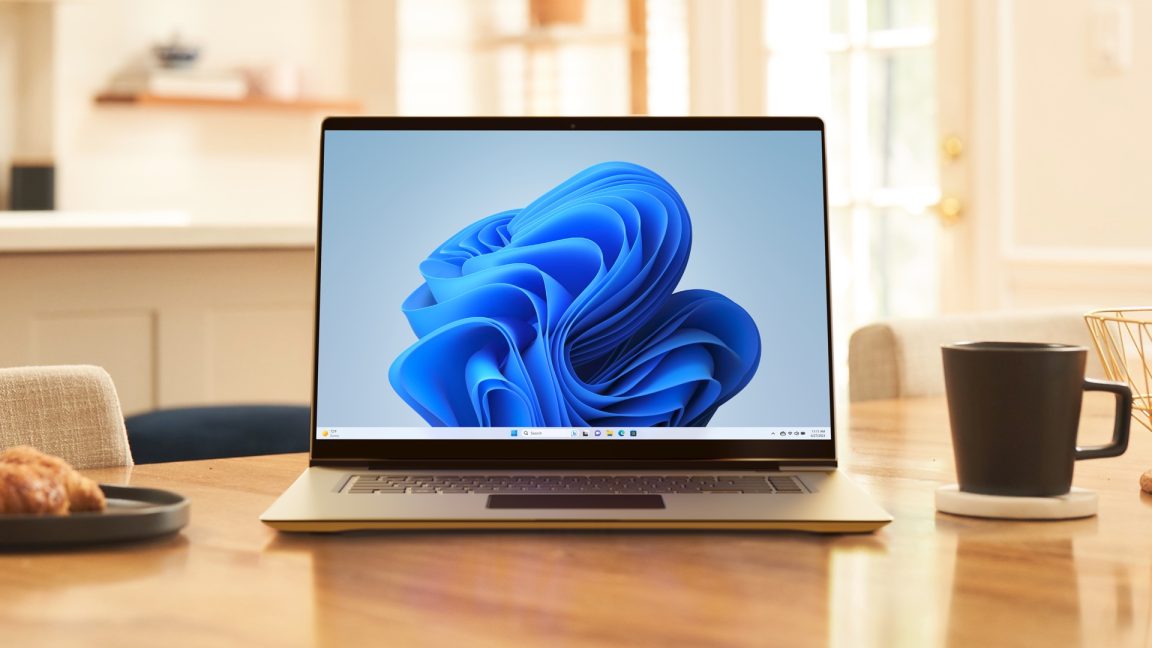
Windows 8 is remembered most for its oddball touchscreen-focused full-screen Start menu, but it also introduced a number of under-the-hood enhancements to Windows. One of those was UEFI Secure Boot, a mechanism for verifying PC bootloaders to ensure that unverified software can't be loaded at startup. Secure Boot was enabled but technically optional for Windows 8 and Windows 10, but it became a formal system requirement for installing Windows starting with Windows 11 in 2021.
Secure Boot has relied on the same security certificates to verify bootloaders since 2011, during the development cycle for Windows 8. But those original certificates are set to expire in June and October of this year, something Microsoft is highlighting in a post today.
This certificate expiration date isn't news—Microsoft and most major PC makers have been talking about it for months or years, and behind-the-scenes work to get the Windows ecosystem ready has been happening for some time. And renewing security certificates is a routine occurrence that most users only notice when something goes wrong.
Read full article
Comments
Source: Ars Technica