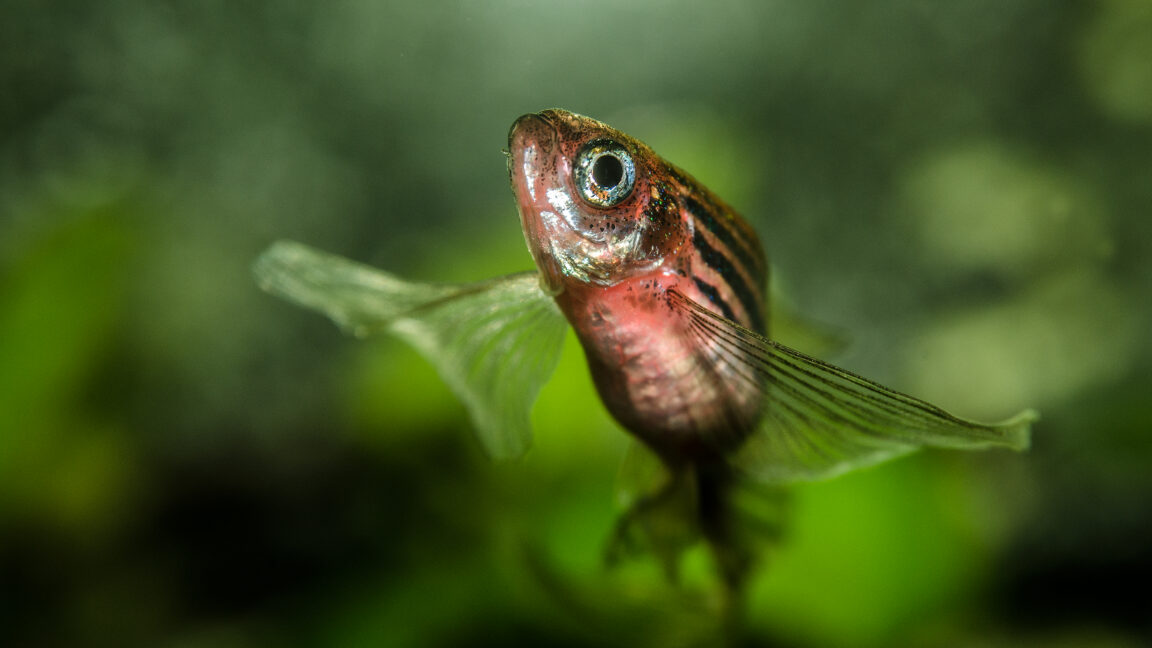
Evolution has adapted the digits of mammals for an enormous range of uses, from our opposable thumbs to the spindly digits that support bat wings to the robust bones that support the hoofs of horses. But how we got digits in the first place hasn't been entirely clear. The fish that limbed vertebrates evolved from don't have obvious digit equivalents, and the most common types of fish just have a large collection of rays supporting their fins.
Despite this uncertainty, we have identified some genes that seem to be essential for both digit formation and the development of rays in the fins of fish, suggesting that there are parallels between the two. But a new study suggests that these parallels are a bit of an accident, and digits come by re-deploying a genetic network that controls a completely different process: the formation of the cloaca, a single organ that handles all of the fish's excretion.
Hox genes and digits
One of the key regulators of limb development is a set of genes called homeobox proteins, which attach to DNA and regulate the activity of nearby genes. In animals, many of these homeobox, or hox genes, are formed into clusters. Mammals have four clusters of hox genes, each of which encodes roughly 10 individual homeobox proteins. The cluster helps to organize where the hox genes are active, with the genes at one end of the cluster being active at the front of an embryo, and those at the other end active at the tail.
Read full article
Comments
Source: Ars Technica